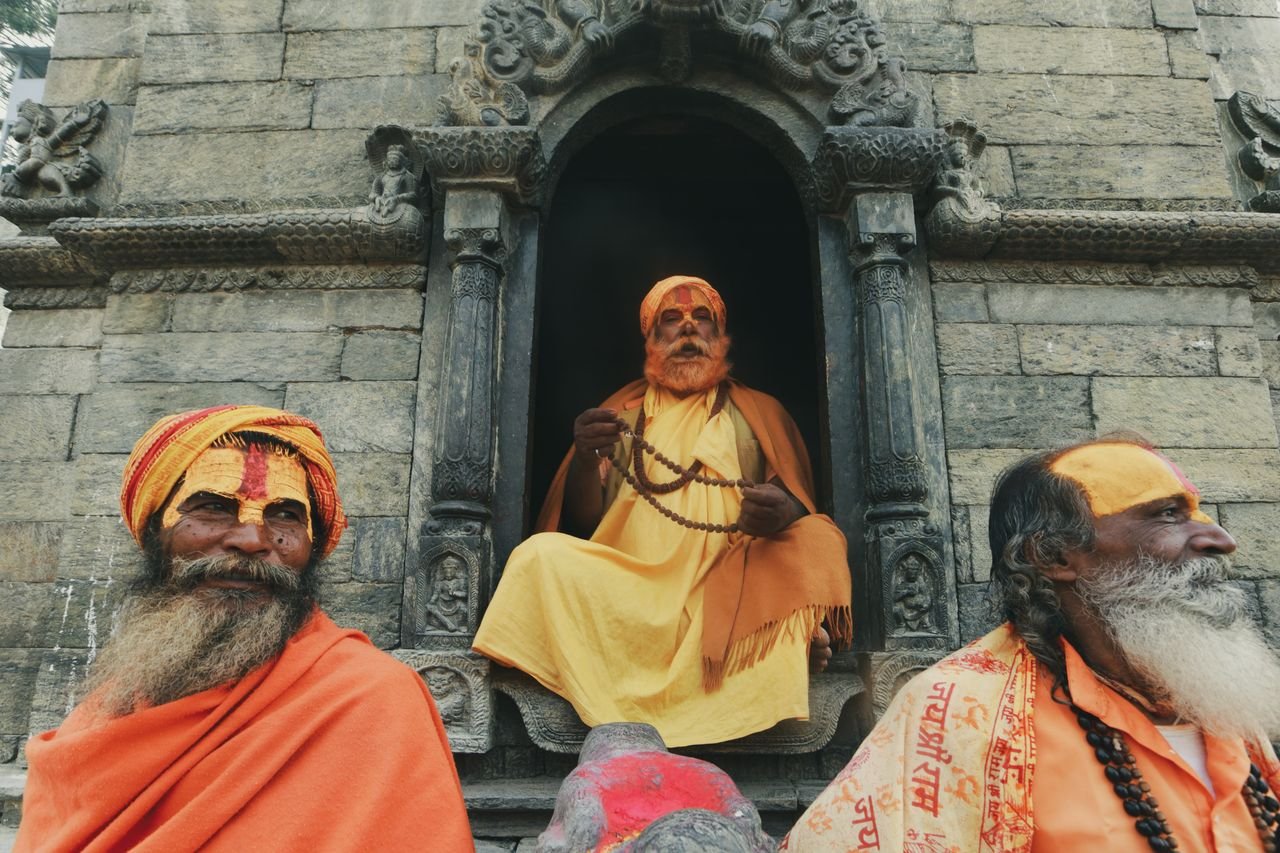
The Vedic Age (c. 1500 BCE – 600 BCE) marks a formative period in Indian history following the decline of the Indus Valley Civilization. Named after the Vedas—the oldest sacred compositions of Indian philosophy—this epoch witnessed a shift from pastoral semi-nomadic tribes in the northwestern Punjab region (Saptasindhu) to settled agrarian kingdoms in the Gangetic basin.
Historians divide this era into two distinct phases: the Early Vedic Period (c. 1500–1000 BCE) and the Later Vedic Period (c. 1000–600 BCE). This shift was driven by technological advances, primarily the discovery and use of iron tools (shyama ayas).
1. Early Textual Traditions: The Vedic Corpus
Vedic literature was transmitted orally for centuries through meticulous recitations known as Shruti (“that which is heard”), preserved by families of sages (rishis).
The core of Vedic textual tradition relies on four primary collections (Samhitas):
-
Rigveda: The oldest text, comprising 1,028 hymns (suktas) dedicated to deities personifying natural elements, such as Indra (thunder), Agni (fire), and Varuna (cosmic order).
-
Samaveda: A collection of musical melodies and chants derived largely from the Rigveda, designed for liturgical recitation during sacrifices.
-
Yajurveda: A manual of prose formulas, mantras, and practical instructions required by priests during sacrificial rituals.
-
Atharvaveda: A repository of practical remedies, folk customs, protective spells, and philosophical reflections reflecting daily life.
Each Samhita evolved over time to include three supplementary layers of literature:
-
Brahmanas: Prose commentaries explaining the symbolic meaning and mechanics of rituals.
-
Aranyakas: “Forest texts” focusing on ascetics, hermits, and meditative interpretations of sacrifice.
-
Upanishads: Philosophical treatises exploring spiritual inquiry, the nature of the soul (Atman), and the ultimate reality (Brahman).
2. Evolution of Social Structures
The social organization during the Vedic Age transformed from a flexible, egalitarian pastoral society into a rigid, hereditary class structure.
| Feature | Early Vedic Period (c. 1500–1000 BCE) | Later Vedic Period (c. 1000–600 BCE) |
| Economy | Pastoralism primary; cattle represented wealth (Gau). | Agriculture primary, enabled by iron axes and plows. |
| Social Order | Flexible Varna based on occupation; social mobility was common. | Rigid, hereditary Varna system; birth dictated caste status. |
| Status of Women | High status; attended assemblies (Sabha, Samiti); educated. | Decline in status; restricted public roles; limited property rights. |
| Political Unit | Tribal chiefdoms led by a Rajan, kept in check by tribal councils. | Territorial monarchies (Janapadas); kings held centralized power. |
In the Early Vedic Period, class distinctions existed but were fluid. The 10th Mandala of the Rigveda contains the Purusha Sukta, describing the creation of four distinct functional groups—Brahmins (priests), Kshatriyas (warriors), Vaishyas (producers/merchants), and Shudras (laborers). By the Later Vedic Period, these divisions solidified into hereditary castes with stricter rules regarding intermarriage and dining.
3. Ritual Traditions and Sacrificial Systems
Rituals (Yajna) were central to the Vedic worldview, serving as a medium to communicate with deities, maintain cosmic harmony (Rta), and secure prosperity, health, and victory in battle.
-
Domestic Rituals (Grihya): Simple offerings made at the household hearth, such as daily oblations of grain, milk, and clarified butter (ghee) to Agni.
-
Grand Royal Sacrifices (Srauta): Complex public rituals performed by specialized priests for kings (Rajanas) to solidify royal authority:
-
Rajasuya: A royal consecration ceremony bestowing divine authority upon the monarch.
-
Ashvamedha: The horse sacrifice, performed to establish imperial sovereignty over surrounding territories.
-
Vajapeya: A chariot race and ritual feast intended to restore the king’s vitality and power.
-
During the Later Vedic era, rituals grew increasingly elaborate, costly, and dominant within priestcraft. This ritualistic complexity ultimately led to a philosophical counter-reaction, sparking the inward-looking inquiries of the Upanishads and paving the way for non-Vedic traditions like Buddhism and Jainism.
4. Historical Impact of the Vedic Era
The Vedic Age transformed the socio-political landscape of ancient India. The transition from pastoral tribes to territorial states created the framework for urban centers along the Gangetic plain. Additionally, the philosophical discussions initiated in the Upanishads established foundational concepts—such as Karma, Dharma, and Moksha—that shaped the course of classical Indian philosophy.
Category: History of India