Skip to content

History of India

Menu
  • Home
  • History of India
  • Privacy Policy
  • Contact Us
Menu

The 1991 Economic Reforms: Liberalization, Privatization, and Globalization (LPG)

Posted on October 7, 2026 by perry

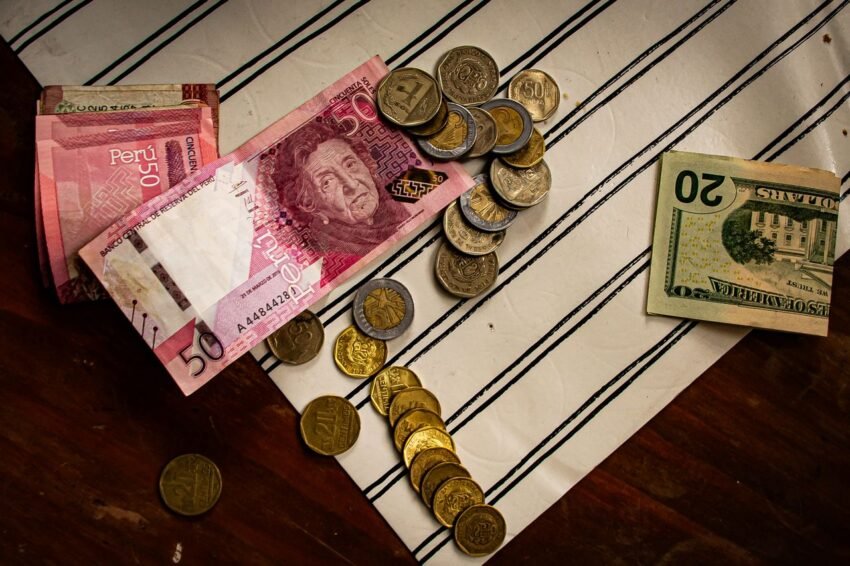
In July 1991, facing a severe financial crisis, India embarked on a transformative economic journey. Forced by an acute balance of payments crisis that left foreign exchange reserves sufficient for barely two weeks of imports, Prime Minister P.V. Narasimha Rao and Finance Minister Dr. Manmohan Singh initiated a series of structural economic reforms. Known collectively…
Read more

The 1971 Indo-Pak War and the Birth of Bangladesh

Posted on October 7, 2026 by perry

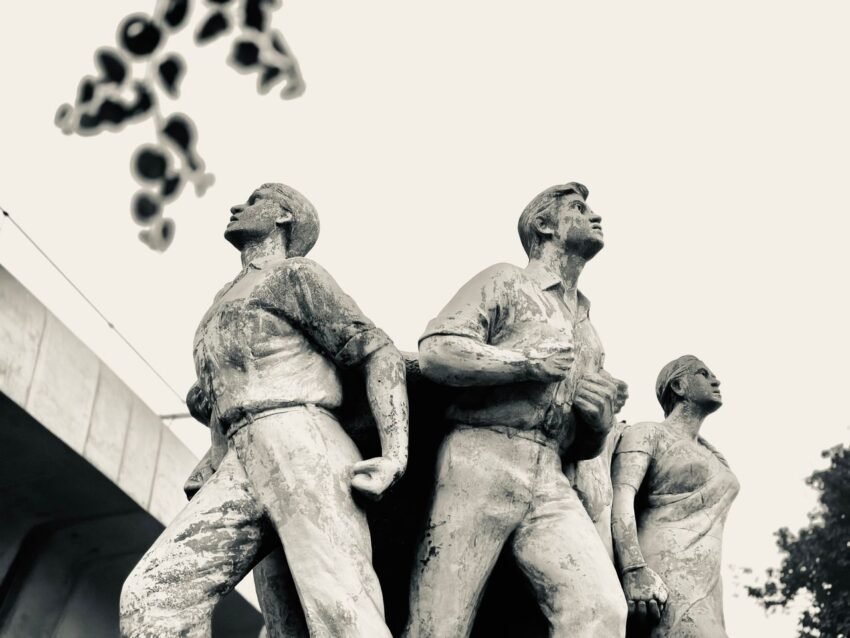
The 1971 Indo-Pakistani War was a decisive military conflict in modern South Asian history. Lasting just 13 days—from December 3 to December 16, 1971—it resulted in the liberation of East Pakistan and the creation of the sovereign nation of Bangladesh. Driven by severe political, cultural, and economic marginalization of the Bengali population in East Pakistan,…

Read more

The Non-Aligned Movement (NAM): India’s Cold War Foreign Policy

Posted on October 5, 2026 by perry

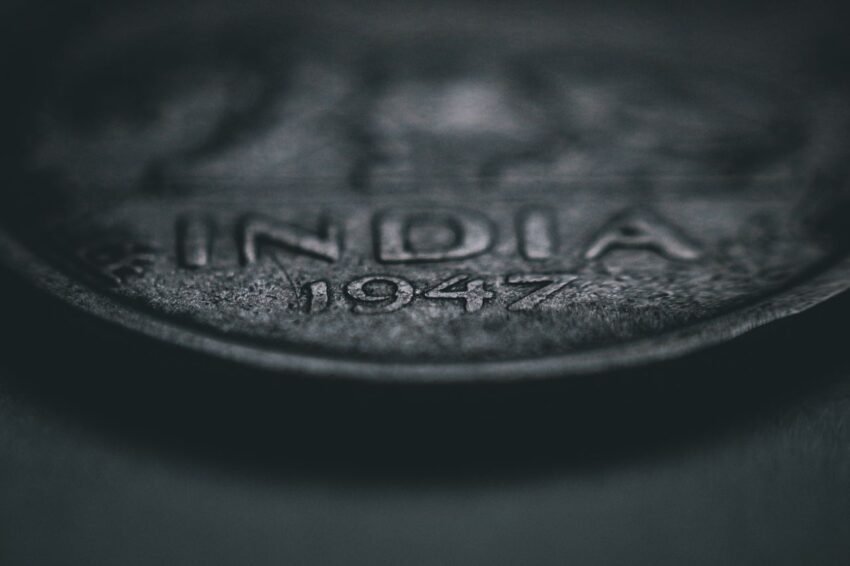
Following independence in 1947, India faced a world fractured by the Cold War—an ideological and strategic confrontation between the United States-led capitalist Western bloc and the Soviet-led communist Eastern bloc. Refusing to join either military alliance system (such as NATO or SEATO on one side, or the Warsaw Pact on the other), Prime Minister Jawaharlal…

Read more

The Green Revolution: How India Achieved Food Security

Posted on October 3, 2026 by perry

Following the end of British colonial rule, India faced the monumental task of constructing a legal framework to govern a deeply diverse, newly independent nation. Between December 1946 and November 1949, the Constituent Assembly of India deliberated for almost three years to draft the world’s longest written constitution. At the center of this democratic undertaking…

Read more

Framing the Constitution: Dr. B.R. Ambedkar and the Constituent Assembly

Posted on October 1, 2026 by perry

Following the end of British colonial rule, India faced the monumental task of constructing a legal framework to govern a deeply diverse, newly independent nation. Between December 1946 and November 1949, the Constituent Assembly of India deliberated for almost three years to draft the world’s longest written constitution. At the center of this democratic undertaking…

Read more

Integration of Princely States: Sardar Vallabhbhai Patel’s Diplomacy

Posted on September 29, 2026 by perry

When British paramountcy lapsed on August 15, 1947, the newly independent Dominion of India faced an existential challenge: preventing the balkanization of the subcontinent. Scattered across the territory were 565 princely states, covering nearly 40% of the land area and containing over 28% of the total population. Under the Indian Independence Act of 1947, these…

Read more

The Mountbatten Plan and the Partition of India (1947)

Posted on September 29, 2026 by perry

On June 3, 1947, Lord Louis Mountbatten, the last Viceroy of British India, announced a plan that would permanently alter the geopolitical landscape of South Asia. The Mountbatten Plan (also known as the June 3 Plan) outlined the blueprint for the division of British India into two independent dominions: India and Pakistan. What was originally…

Read more

The Quit India Movement of 1942: Mass Uprising and British Response

Posted on September 29, 2026 by perry

On August 8, 1942, at the Gowalia Tank Maidan in Bombay, Mahatma Gandhi issued a clarion call to the nation: “Do or Die” (Karo ya Maro). The All India Congress Committee (AICC) officially passed the Quit India Resolution, demanding an immediate end to British colonial rule. Also known as the August Movement (August Kranti), this…

Read more

Subhas Chandra Bose and the Indian National Army (INA)

Posted on September 29, 2026 by perry

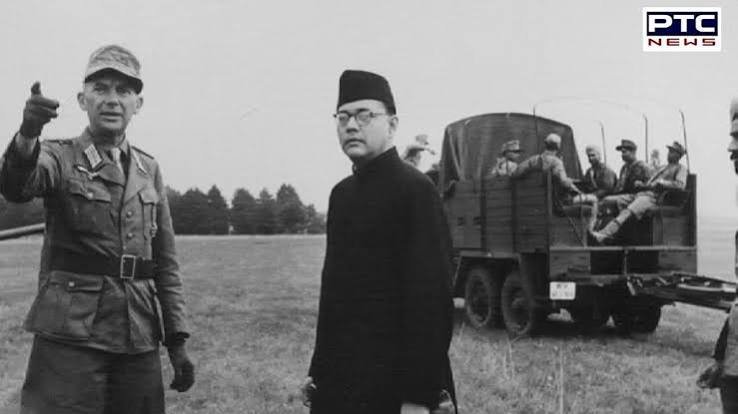
During the height of World War II, as the non-violent Quit India Movement stirred the Indian mainland, Netaji Subhas Chandra Bose forged a radical parallel path to liberation. Rejecting the notion that British colonialism could be defeated solely through civil resistance, Bose sought to exploit Great Britain’s wartime vulnerability by organizing an armed liberation army…

Read more

Bhagat Singh, Chandrashekhar Azad, and the Revolutionary Struggle

Posted on September 29, 2026 by perry

During the 1920s and early 1930s, alongside Mahatma Gandhi’s non-violent mass campaigns, a dynamic wave of revolutionary nationalism swept across British India. Driven by disillusionment over the sudden withdrawal of the Non-Cooperation Movement in 1922, young intellectuals and activists sought to overthrow colonial rule through armed resistance, mass political education, and anti-imperialist agitation. At the…

Read more
  • 1
  • 2
  • 3
  • 4
  • 5
  • Next

Categories

  • History of India

Recent Posts

  • The 1991 Economic Reforms: Liberalization, Privatization, and Globalization (LPG)
  • The 1971 Indo-Pak War and the Birth of Bangladesh
  • The Non-Aligned Movement (NAM): India’s Cold War Foreign Policy
  • The Green Revolution: How India Achieved Food Security
  • Framing the Constitution: Dr. B.R. Ambedkar and the Constituent Assembly
© 2026 History of India | Powered by Minimalist Blog WordPress Theme