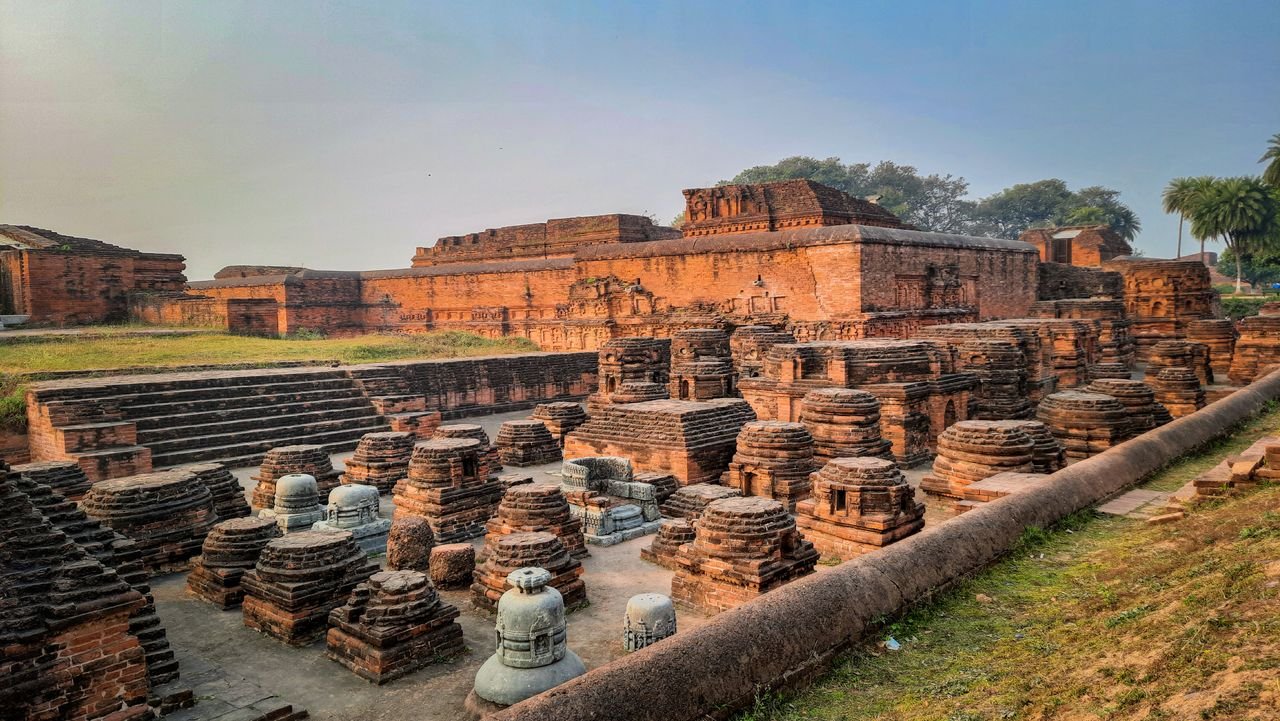
Long before Europe saw the founding of Bologna or Oxford, the Indian subcontinent established the world’s earliest residential university systems. Known collectively as Mahaviharas (great centers of learning), these institutions served as international hubs for higher education, drawing thousands of scholars from China, Korea, Japan, Tibet, Central Asia, and Sri Lanka. Institutions like Takshashila, Nalanda,…
King Harsha and the Cultural Splendor of Kannauj
Following the collapse of the imperial Guptas in the 6th century CE, northern India fractured into regional kingdoms, ending two centuries of political centralization. Out of this era of political instability emerged King Harshavardhana (reigned 606–647 CE) of the Pushyabhuti dynasty. Ascending the throne of Thanesar at just 16 years old amid deep family tragedy,…
The Golden Age of India: Science, Mathematics, and Art under the Gupta Empire
Spanning roughly the 4th to 6th centuries CE, the Gupta Empire (c. 319–543 CE) ruled over a vast swath of northern and central India. Founded by Chandragupta I and expanded through the military and diplomatic genius of Samudragupta and Chandragupta II (Vikramaditya), this era brought political stability, economic prosperity, and unprecedented cultural flourish. Historians widely…
Ashoka the Great: The Kalinga War and the Edicts of Dhamma
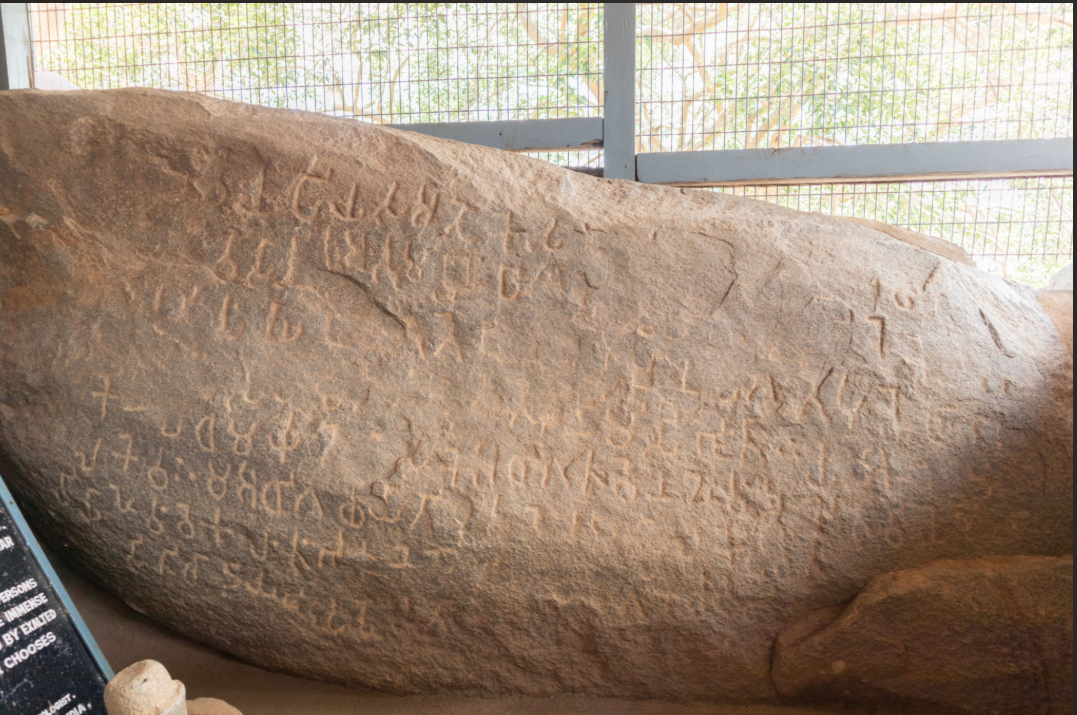
The Third Mauryan Emperor, Ashoka (reigned c. 268–232 BCE), occupies a unique place in world history. Known in his early rule as Chandashoka (“Ashoka the Fierce”) due to his ruthless expansionism and ruthless suppression of rivals, he underwent one of the most remarkable personal and political transformations ever recorded. This turning point came during his…
The Mauryan Empire: Chandragupta Maurya and Chanakya’s Arthashastra
In the late 4th century BCE, northern India faced unprecedented political instability. The oppressive taxation of the powerful Nanda Dynasty in Magadha had alienated the populaces, while the conquest campaigns of Alexander the Great across the northwestern frontier left a political void in the Punjab region. Out of this chaos arose India’s first pan-Indian empire:…
Vardhamana Mahavira and the Philosophical Foundations of Jainism
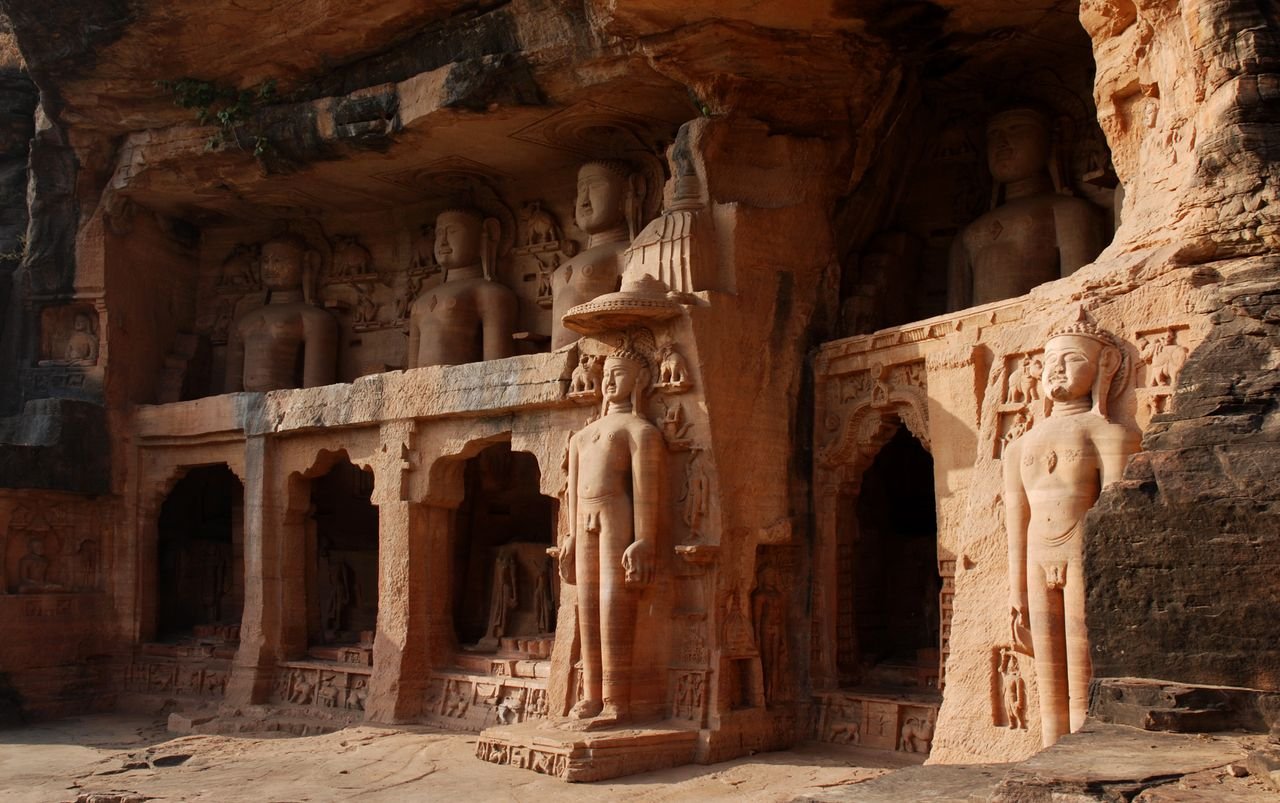
Alongside the emergence of early Buddhism in the 6th century BCE, another major spiritual tradition of the Sramana movement reached its definitive shape in the Gangetic plains: Jainism. While Jain tradition traces its lineage through a succession of 24 spiritual teachers known as Tirthankaras (“ford-makers” who guide souls across the ocean of rebirth), it was…
Life and Legacy of Gautama Buddha and the Spread of Early Buddhism
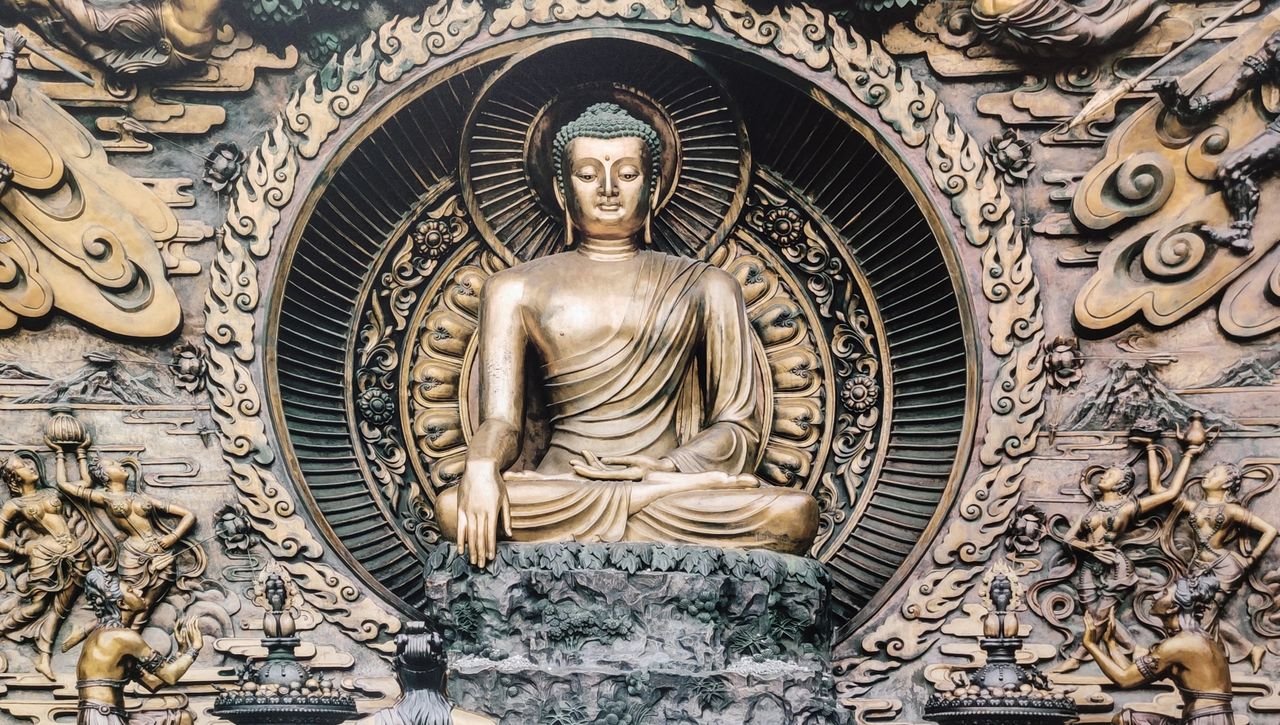
During the 6th century BCE, an era marked by rapid urbanization and political transformation across the Gangetic plains, a profound intellectual revolution swept through northern India. As traditional Vedic rituals grew increasingly complex and costly, spiritual seekers—known as Sramanas—began questioning caste rigidity and animal sacrifices. Out of this climate of philosophical inquiry emerged Siddhartha Gautama,…
Rise of the Mahajanapadas: How 16 Kingdoms Reshaped Ancient Indian Politics
By the 6th century BCE, the socio-political landscape of northern India underwent a monumental shift known as the Second Urbanization. As iron tools (krishna ayas) enabled widespread clearing of the dense forests across the Gangetic plains, agricultural surpluses surged. Small tribal settlements (Janapadas) coalesced into powerful territorial states called Mahajanapadas (“Great Realms”). Early Buddhist texts,…
The Vedic Age: Social Structures, Rituals, and Early Textual Traditions
The Vedic Age (c. 1500 BCE – 600 BCE) marks a formative period in Indian history following the decline of the Indus Valley Civilization. Named after the Vedas—the oldest sacred compositions of Indian philosophy—this epoch witnessed a shift from pastoral semi-nomadic tribes in the northwestern Punjab region (Saptasindhu) to settled agrarian kingdoms in the Gangetic…
Unveiling the Indus Valley Civilization: Urban Planning of Mohenjo-Daro and Harappa
Flourishing between 2600 BCE and 1900 BCE, the Indus Valley Civilization (IVC)—also known as the Harappan Civilization—represented one of the three great early cradles of human civilization alongside Egypt and Mesopotamia. Stretching across vast expanses of modern-day India and Pakistan, this Bronze Age society stood out for a unique reason: while its contemporaries poured immense…