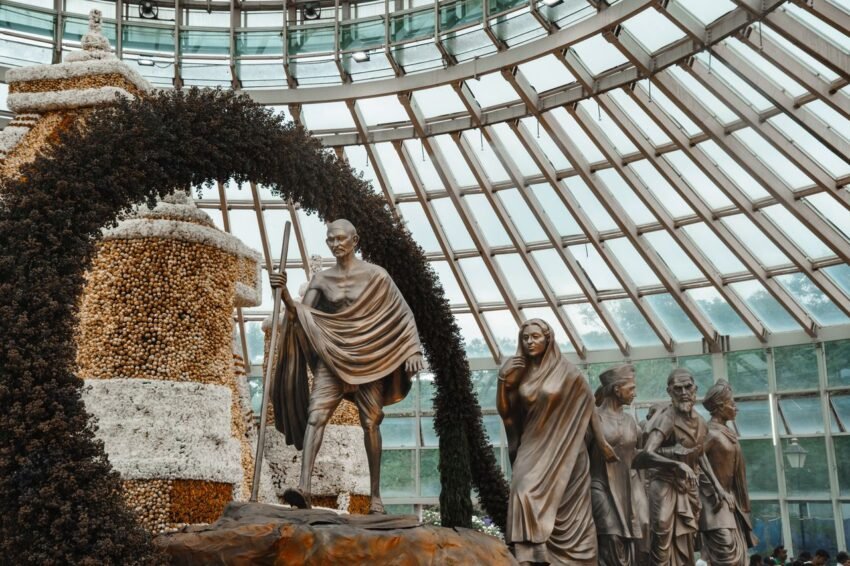
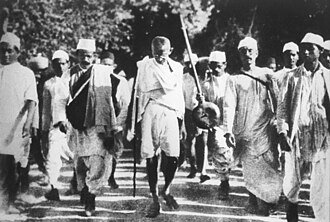
On March 12, 1930, Mahatma Gandhi set out from his Sabarmati Ashram in Ahmedabad accompanied by 78 chosen followers on a 240-mile trek to the coastal village of Dandi, Gujarat. The objective of this march was to break the British imperial monopoly on salt—a humble, universal commodity essential to every Indian household regardless of class,…
Mahatma Gandhi’s Non-Cooperation Movement: Origins and Impact
Launched in August 1920 under the leadership of Mahatma Gandhi, the Non-Cooperation Movement was the first nation-wide mass civil-resistance campaign in India’s freedom struggle. It marked a radical departure from the constitutional petitions of the Moderates and the localized boycotts of the early Extremists, transforming the anti-colonial resistance into a massive popular movement that involved…
The Jallianwala Bagh Massacre (1919) and Its Impact on National Consciousness
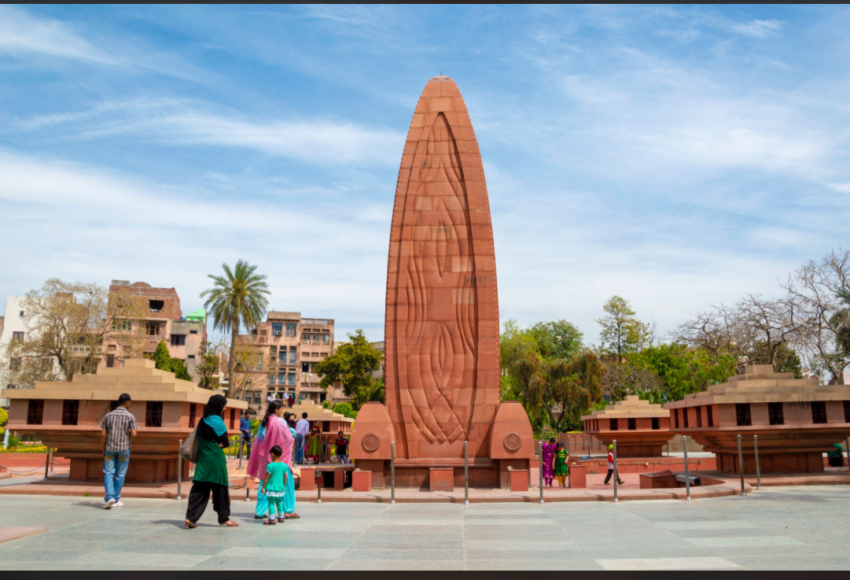
On April 13, 1919, the festival day of Baisakhi, British colonial troops opened fire on a large, unarmed gathering of men, women, and children inside Jallianwala Bagh, an enclosed public garden in Amritsar, Punjab. Executed under the orders of Brigadier-General Reginald Dyer, the slaughter marked one of the darkest atrocities of British imperial rule in…
The Ghadar Movement and Revolutionary Nationalism Abroad
In 1913, thousands of miles away from British India, Indian immigrants—predominantly Punjabi Sikh farmers, laborers, and ex-soldiers alongside political exiles—assembled in Astoria, Oregon, and San Francisco, California, to form the Pacific Coast Hindustan Association. Better known as the Ghadar Party, this revolutionary organization sought nothing less than the total overthrow of British imperial rule in…
The Role of the Indian National Congress in Early Freedom Struggle
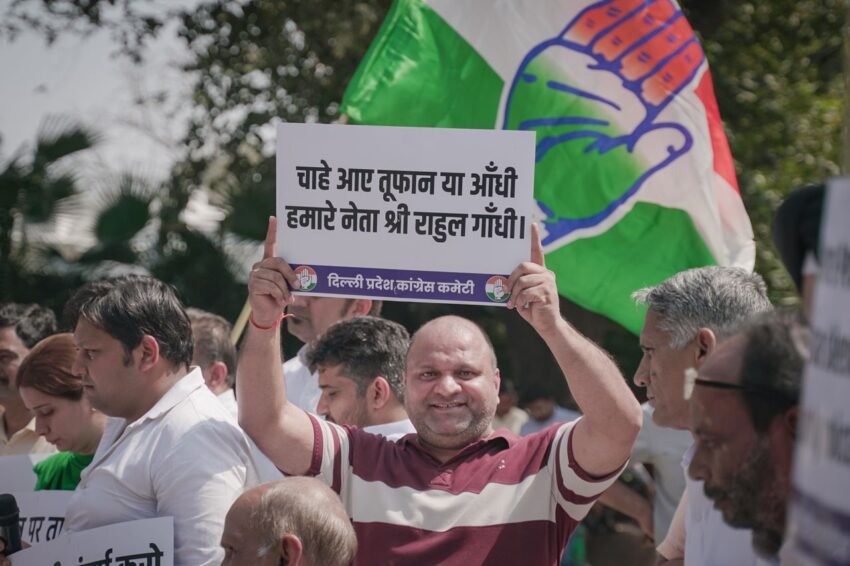
In December 1885, seventy-two delegates from across British India assembled at Gokuldas Tejpal Sanskrit College in Bombay. This meeting marked the founding of the Indian National Congress (INC)—the first modern, pan-Indian political organization in South Asia. During its initial decades (1885–1918), the INC served as an umbrella platform that transformed regional grievances into a unified…
The Partition of Bengal (1905) and the Swadeshi Movement
On October 16, 1905, the British Raj enacted the Partition of Bengal, dividing the largest and most politically active province of British India into two separate administrative units. Engineered by the Viceroy of India, Lord Curzon, the decision was publicly framed as a measure to improve administrative efficiency. In reality, it was a calculated political…
Swami Vivekananda and the Hindu Renaissance of the 19th Century
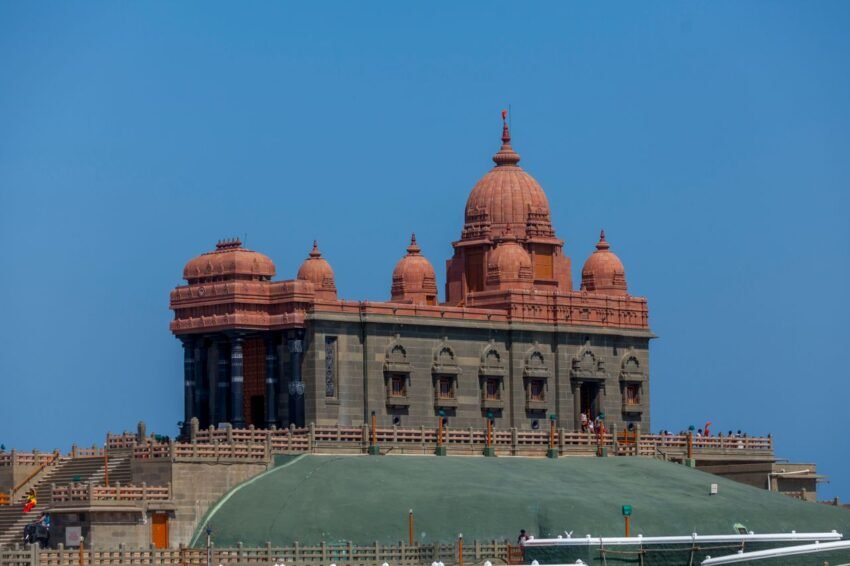
In the late 19th century, amidst colonial subjugation and ideological challenges from Western materialist philosophy and Christian missionary activity, India witnessed a powerful spiritual and intellectual revitalization known as the Hindu Renaissance. While early reform movements like the Brahmo Samaj focused on social legislation and scriptural reinterpretation, Swami Vivekananda (1863–1902) catalyzed a spiritual awakenings that…
The Social Reform Movement: Raja Ram Mohan Roy and the Brahmo Samaj
During the early 19th century, against the backdrop of British political expansion and socio-economic transformation, Bengal experienced a profound intellectual, cultural, and spiritual awakening known as the Bengal Renaissance. At the forefront of this movement stood Raja Ram Mohan Roy (1772–1833 CE), widely revered as the “Father of Modern India” and the “Father of the…
The British Raj and the Economic Drain Theory (Dadabhai Naoroji)
Following the suppression of the 1857 Uprising, control of South Asia transferred directly to the British Crown, inaugurating the era of the British Raj (1858–1947). While colonial authorities portrayed their rule as a civilizing mission that brought railways, law courts, and modern infrastructure to India, Indian thinkers began systematically analyzing the financial mechanics behind colonial…
The Indian Rebellion of 1857: Causes, Key Leaders, and Aftermath
In May 1857, a widespread uprising erupted across Northern and Central India, shaking the foundations of British colonial rule. Known variously as the Sepoy Mutiny, the Indian Mutiny, or the First War of Independence, the Indian Rebellion of 1857 was a major watershed in modern South Asian history. What began as a military mutiny among…