Skip to content

History of India

Menu
  • Home
  • History of India
  • Privacy Policy
  • Contact Us
Menu

History of India

The Anglo-Mysore Wars: Hyder Ali, Tipu Sultan, and Rocket Artillery

Posted on September 18, 2026 by perry

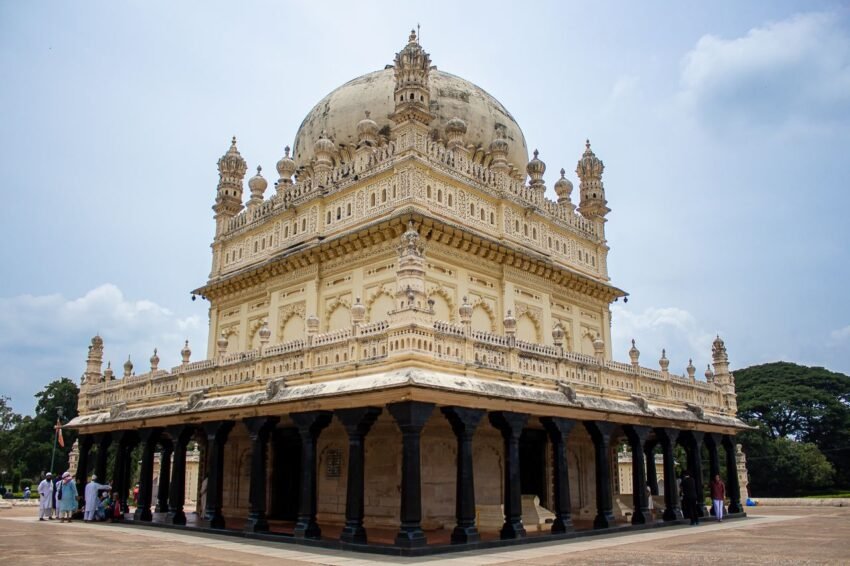
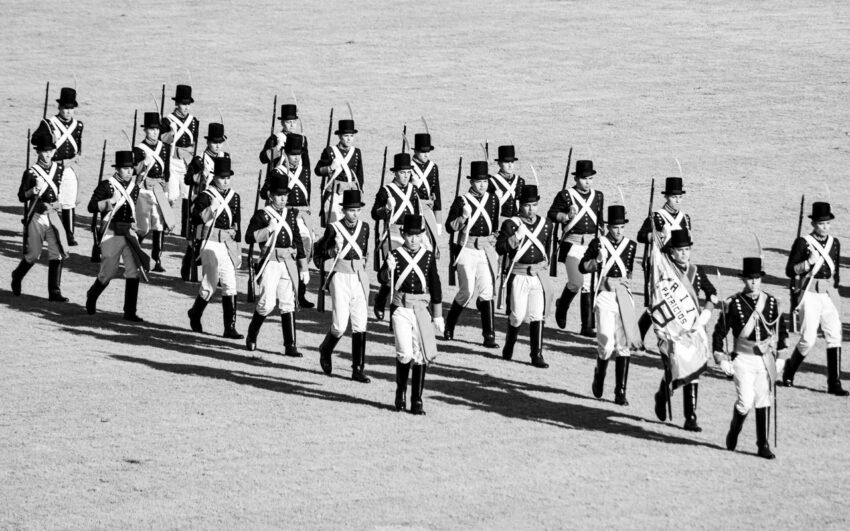
During the late 18th century, as the British East India Company (EIC) expanded its control across Bengal and the Carnatic, the Kingdom of Mysore emerged as its most formidable Indian military rival. Under the leadership of Hyder Ali and his son Tipu Sultan (the “Tiger of Mysore”), Mysore modernized its armed forces, forged strategic alliances…
Read more

The Battle of Plassey (1757): How the East India Company Gained Footing

Posted on September 18, 2026 by perry

On June 23, 1757, on the banks of the Bhagirathi River near the small village of Palashi (Plassey), a conflict lasting barely a few hours altered the trajectory of South Asian history. The Battle of Plassey was less a decisive military engagement than a calculated political coup. By exploiting political divisions within the court of…

Read more

The Peshwas and Maratha Expansion across 18th-Century India

Posted on September 18, 2026 by perry

Following the death of Mughal Emperor Aurangzeb in 1707 CE, the political center of gravity in South Asia shifted rapidly from Delhi to Satara and Pune. Under the leadership of a hereditary dynasty of Prime Ministers known as the Peshwas, the Maratha state transformed from a regional kingdom into a vast pan-Indian empire that dominated…

Read more

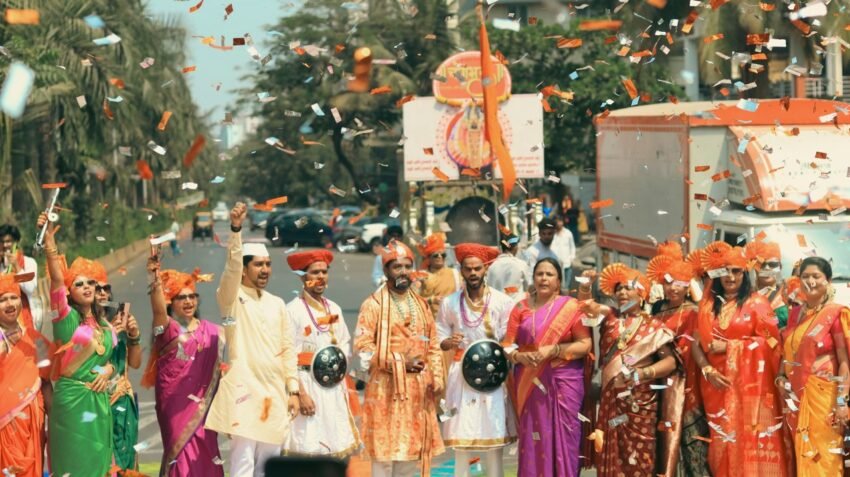
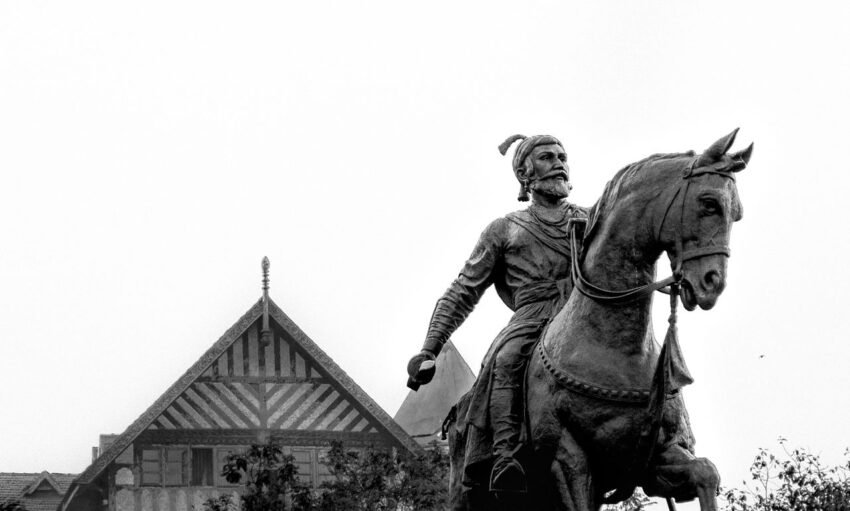
The Maratha Empire: Chhatrapati Shivaji Maharaj and Guerrilla Warfare (Ganimi Kava)

Posted on September 18, 2026 by perry

In the mid-17th century, as the Mughal Empire reached its territorial zenith and the Deccani Sultanates held sway over Western India, a revolutionary political force emerged from the rugged terrain of the Western Ghats (Sahyadri range). Chhatrapati Shivaji Maharaj (1630–1680 CE) transformed scattered Maratha chieftaincies into a sovereign state, founding the Maratha Empire (Hindavi Swarajya)….

Read more

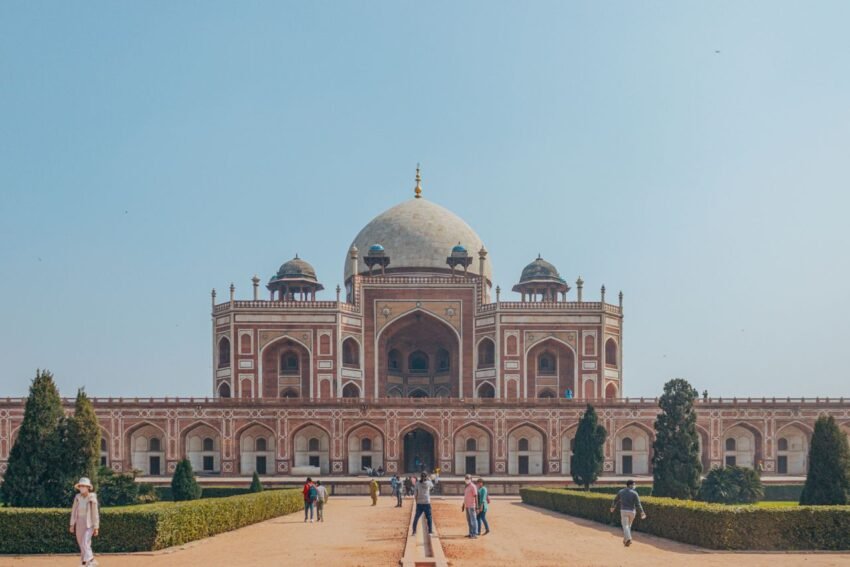
Mughal Miniature Painting: Evolution from Humayun to Jahangir

Posted on September 18, 2026 by perry

Mughal miniature painting represents one of the most brilliant intersections of Persian artistic traditions, indigenous Indian aesthetics, and European Renaissance influences. Spanning the 16th and 17th centuries, this imperial art form evolved from formal Persian manuscript illumination into a dynamic, highly naturalistic visual archive of imperial power, courtly culture, and environmental study. The artistic journey…

Read more

The Deccan Campaigns of Aurangzeb and the Beginning of Mughal Decline

Posted on September 18, 2026 by perry

The reign of the sixth Mughal Emperor, Muhi-ud-Din Muhammad Aurangzeb (r. 1658–1707 CE), represents both the maximum territorial expansion and the structural fragmentation of the Mughal Empire. By the mid-1670s, Aurangzeb shifted his attention southward toward the Deccan plateau, driven by three primary strategic motives: suppressing the rising power of the Maratha Kingdom, annexing the…

Read more

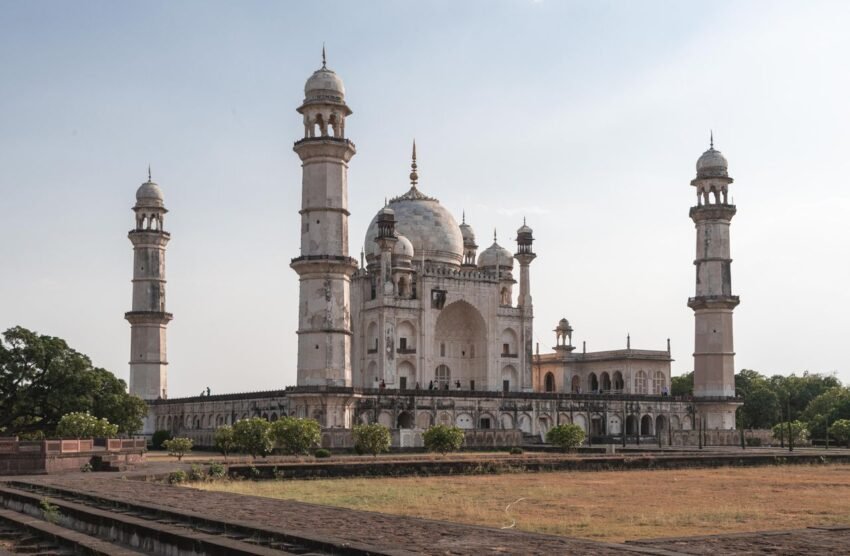
Architecture under Shah Jahan: The Construction of the Taj Mahal and Red Fort

Posted on September 18, 2026 by perry

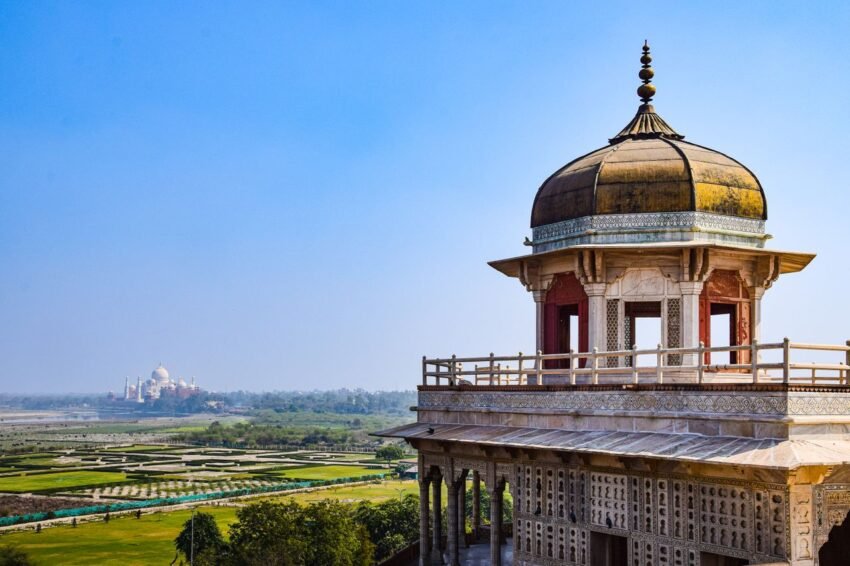
The reign of the fifth Mughal Emperor, Shah Jahan (r. 1628–1658 CE), represents the golden age of Mughal architecture. While his predecessors Akbar and Jahangir built extensively with red sandstone, Shah Jahan introduced an era of white marble, symmetry, balance, and intricate ornamentation. Financed by an agricultural economy and a stable imperial treasury, Shah Jahan…

Read more

Sher Shah Suri: The Grand Trunk Road and Revenue Administration

Posted on September 18, 2026 by perry

Despite ruling Northern India for a brief five-year period (1540–1545 CE), Sher Shah Suri (born Farid Khan) left an administrative blueprint that permanently altered South Asian governance. An Afghan leader who rose from managing his family’s small estate (jagir) in Sasaram, Bihar, Sher Shah defeated the Mughal Emperor Humayun at the battles of Chausa (1539…

Read more

Akbar’s Administrative Genius: The Mansabdari System and Din-i-Ilahi

Posted on September 18, 2026 by perry

Reigning from 1556 to 1605 CE, Jalal-ud-din Muhammad Akbar, the third Mughal emperor, transformed a fragile military conquest into a consolidated, highly organized empire. Inheriting a unstable realm at age 13 following the sudden death of Humayun, Akbar recognized that military force alone could not hold the vast Indian subcontinent. By combining administrative reforms with…

Read more

Babur and the First Battle of Panipat: Introduction of Gunpowder in India

Posted on September 18, 2026 by perry

On April 21, 1526, on the dusty plains of Panipat north of Delhi, a pivotal clash altered the trajectory of South Asian history. Zahir-ud-din Muhammad Babur, a Timurid prince who had lost his ancestral stronghold of Fergana in Central Asia and carved out a kingdom in Kabul, faced Ibrahim Lodi, the Sultan of Delhi. Despite…

Read more
  • Previous
  • 1
  • 2
  • 3
  • 4
  • 5
  • Next

Categories

  • History of India

Recent Posts

  • The 1991 Economic Reforms: Liberalization, Privatization, and Globalization (LPG)
  • The 1971 Indo-Pak War and the Birth of Bangladesh
  • The Non-Aligned Movement (NAM): India’s Cold War Foreign Policy
  • The Green Revolution: How India Achieved Food Security
  • Framing the Constitution: Dr. B.R. Ambedkar and the Constituent Assembly
© 2026 History of India | Powered by Minimalist Blog WordPress Theme