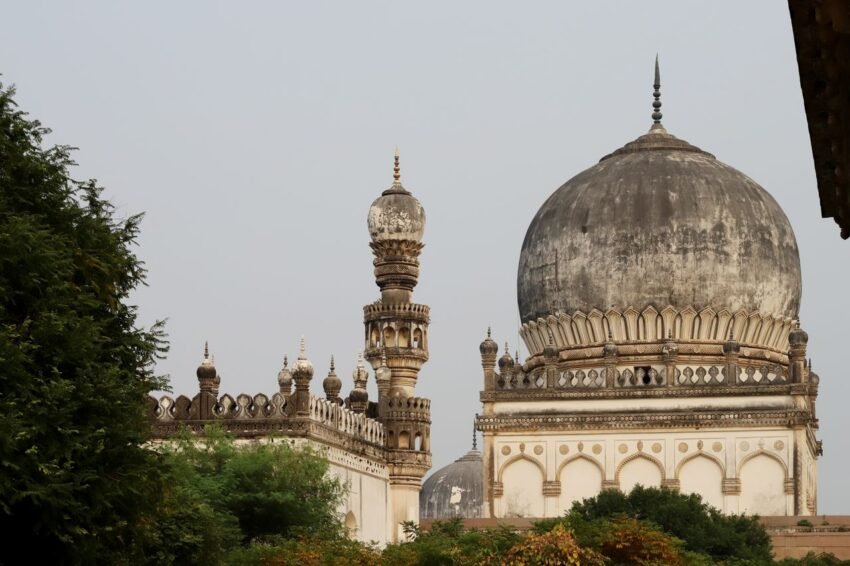
Founded in 1347 CE by Ala-ud-Din Bahman Shah (born Hasan Gangu), the Bahmani Kingdom emerged as the first independent Muslim empire in the Deccan plateau. Revolt against the unstable rule of Muhammad bin Tughlaq of the Delhi Sultanate allowed local nobles to establish a distinct sovereign realm spanning from the Arabian Sea to the Bay…
History of India
The Sufi Movement in India: Chishti Order and Syncretic Traditions
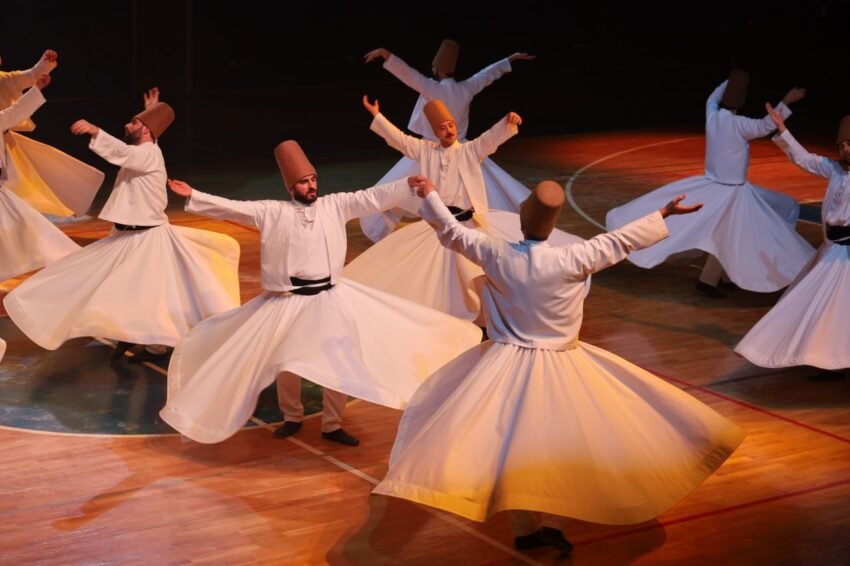
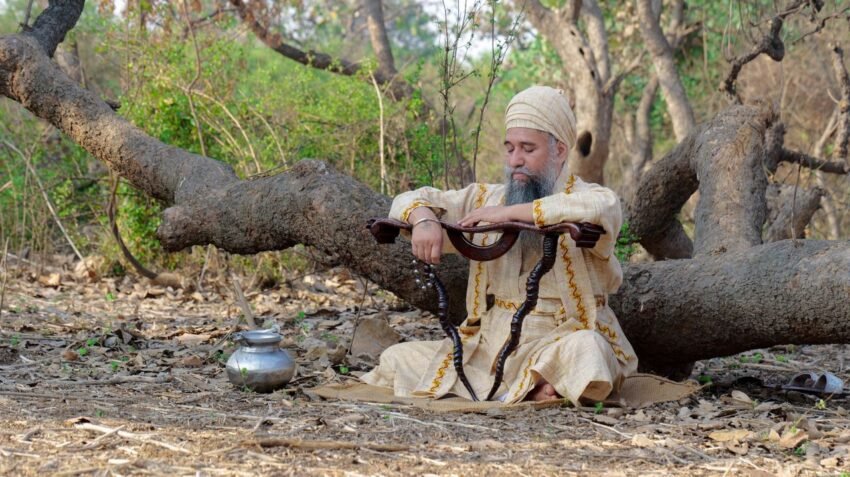
Parallel to the devotional wave of the Bhakti Movement, medieval India witnessed a profound spiritual transformation through Tasawwuf (Sufismus). Arriving in the subcontinent from Central Asia and Persia around the 11th and 12th centuries CE, Sufi mystics sought a direct, personal experience of the Divine through love, ascetic discipline, and selfless service to humanity. By…
The Bhakti Movement: Kabir, Mirabai, and Cultural Renaissance
Between the 8th and 17th centuries CE, a sweeping spiritual and social transformation re-engineered the cultural fabric of the Indian subcontinent. Known as the Bhakti Movement, this popular socio-religious wave originated in Tamil South India through the devotional poetry of the Alvars (devotees of Vishnu) and Nayanars (devotees of Shiva) before spreading northwards into Maharashtra,…
The Vijayanagara Empire: Hampi’s Architectural Genius and Cultural Zenith
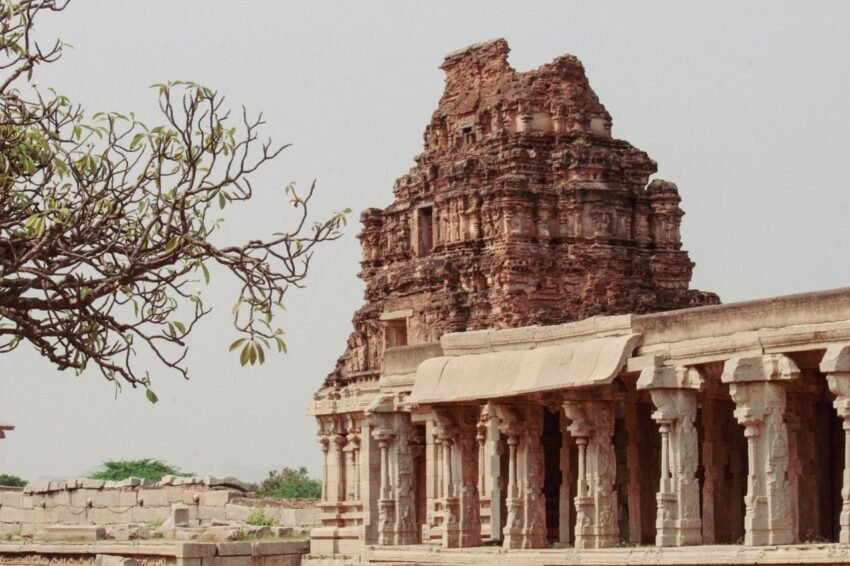
Founded in 1336 CE along the banks of the Tungabhadra River in modern Karnataka, the Vijayanagara Empire arose as a powerful southern realm during a turbulent era of northern invasions. Established by two brothers, Harihara I and Bukka I of the Sangama dynasty, the empire served as a major center of South Indian political power,…
Tughlaq Era Infrastructure: Capital Shifts and Administrative Reforms
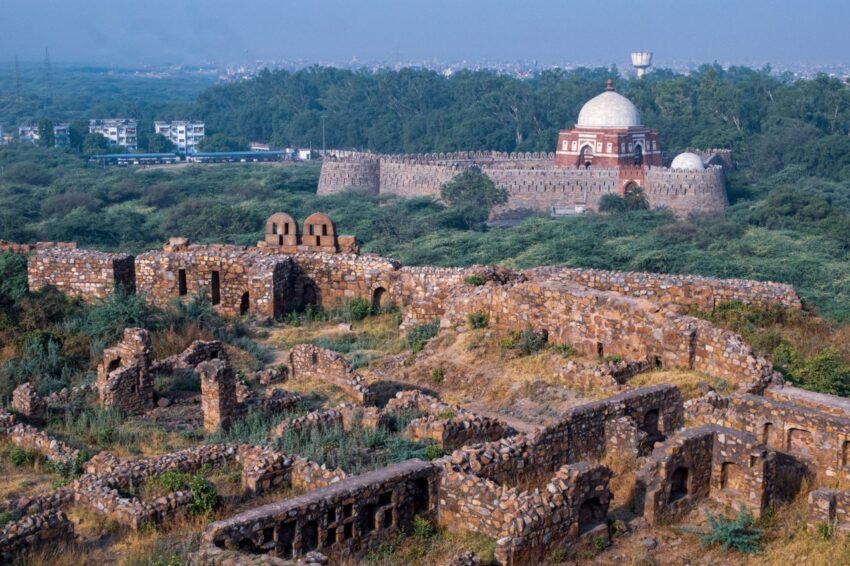
The Tughlaq Dynasty (1320–1413 CE) represented one of the most ambitious yet turbulent epochs of the Delhi Sultanate. Dominating central and northern India during the 14th century, the Tughlaqs expanded the territorial reach of the Sultanate to its maximum physical limit before experiencing rapid disintegration. Unlike their predecessors, the Tughlaqs attempted radical state engineering: large-scale…
The Mauryan Empire: Chandragupta Maurya and Chanakya’s Arthashastra
In the late 4th century BCE, northern India faced unprecedented political instability. The oppressive taxation of the powerful Nanda Dynasty in Magadha had alienated the populaces, while the conquest campaigns of Alexander the Great across the northwestern frontier left a political void in the Punjab region. Out of this chaos arose India’s first pan-Indian empire:…
Vardhamana Mahavira and the Philosophical Foundations of Jainism
Alongside the emergence of early Buddhism in the 6th century BCE, another major spiritual tradition of the Sramana movement reached its definitive shape in the Gangetic plains: Jainism. While Jain tradition traces its lineage through a succession of 24 spiritual teachers known as Tirthankaras (“ford-makers” who guide souls across the ocean of rebirth), it was…
Life and Legacy of Gautama Buddha and the Spread of Early Buddhism
During the 6th century BCE, an era marked by rapid urbanization and political transformation across the Gangetic plains, a profound intellectual revolution swept through northern India. As traditional Vedic rituals grew increasingly complex and costly, spiritual seekers—known as Sramanas—began questioning caste rigidity and animal sacrifices. Out of this climate of philosophical inquiry emerged Siddhartha Gautama,…
Rise of the Mahajanapadas: How 16 Kingdoms Reshaped Ancient Indian Politics
By the 6th century BCE, the socio-political landscape of northern India underwent a monumental shift known as the Second Urbanization. As iron tools (krishna ayas) enabled widespread clearing of the dense forests across the Gangetic plains, agricultural surpluses surged. Small tribal settlements (Janapadas) coalesced into powerful territorial states called Mahajanapadas (“Great Realms”). Early Buddhist texts,…
The Vedic Age: Social Structures, Rituals, and Early Textual Traditions
The Vedic Age (c. 1500 BCE – 600 BCE) marks a formative period in Indian history following the decline of the Indus Valley Civilization. Named after the Vedas—the oldest sacred compositions of Indian philosophy—this epoch witnessed a shift from pastoral semi-nomadic tribes in the northwestern Punjab region (Saptasindhu) to settled agrarian kingdoms in the Gangetic…